From the grove · 6 min read
Why where your olive oil comes from matters
Olive variety matters. But so do the landscape, the weather, the time of harvest and the decisions made between the tree and the bottle.

Two bottles can both say “extra virgin olive oil” and still taste completely different.
One might smell of freshly cut grass and tomato leaf, with a peppery finish. Another may be softer, with notes of ripe fruit and almond. Both can be excellent. They simply come from different places and reflect different choices.
The words extra virgin describe a quality category. Origin tells us where the olives grew, who cultivated them, when they were picked and how they became oil.
Variety
The olive variety is only the beginning
There are hundreds of olive varieties, each with its own natural character. Some produce gentle, delicate oils. Others are known for fresh green aromas, noticeable bitterness or a peppery finish.
In Greece, Koroneiki is one of the most important varieties used for olive oil. Its olives are small, but they can produce lively, aromatic oils with plenty of character.
Still, the variety does not tell the whole story. Rainfall, temperature, wind, soil and sunlight all shape the fruit. Both the olive variety and its growing environment can influence an oil’s aroma, flavour and natural composition.
Place
Crete is not one single landscape
From a distance, it is easy to imagine Crete as one large olive-growing region. On the ground, the landscape is always changing.
There are coastal groves exposed to sea air, wide plains surrounded by mountains and olive trees growing on dry, rocky hillsides. Rainfall, summer heat and access to water can vary over surprisingly short distances. Farming traditions differ too.
North MylopotamosNorthern slopes, changing elevations and a protected olive-growing tradition.
Messara plainA broad southern valley shaped by intense light, heat and surrounding mountains.
MirabelloAn eastern Cretan landscape of dry terrain, coastal influence and family groves.
Place does not create simple rules—a rocky hillside does not automatically produce a peppery oil. Instead, variety, weather, soil, altitude, water and ripeness work together. Their combined influence can be found in the final oil.
Season
Every harvest is different
Olive oil is a seasonal product, even though we usually meet it as a finished bottle on a shelf. A warm, dry year affects the fruit differently from a cool or rainy one. A tree carrying a heavy crop may also ripen differently from one in a lighter year.
The calendar does not decide when the fruit is ready. The producer does.
Careful producers watch the trees: Are the olives still green? Have they started to turn purple? Is rain approaching? Has the fruit reached the balance of freshness, bitterness and oil they want?
Harvest
The decision to pick
Fresh and energetic
Lower yield, vivid green aromas, more noticeable bitterness and a peppery finish.
Round and gentle
Higher yield, softer bitterness and aromas that may suggest ripe fruit, apple or almond.
Neither style is automatically better. An early-harvest oil can feel unbalanced if it is not made with care, while a later-harvest oil can lose freshness if the fruit is left too long. The producer chooses the moment that creates the character they want.
Early harvesting is often linked to higher levels of natural plant compounds called polyphenols. But bitterness or pepperiness cannot tell us an oil’s exact polyphenol level; only proper testing can do that.
Craft
What happens after picking matters just as much
Once an olive has been picked, it begins to change. If the fruit is bruised, stored badly or left waiting too long before milling, unwanted flavours can develop. Speed matters, but so does gentle handling.
At the mill, the olives are cleaned and crushed into a paste before the oil is separated from the water and solid parts of the fruit. The choices made here can protect the fresh aromas—or weaken them. After milling, careful storage away from heat, light and air keeps the oil fresh.
A famous place cannot make excellent oil without careful production. Even the best equipment cannot replace healthy fruit grown and harvested with care.
Protected origin
What does PDO mean?
Some European olive oils carry the red and yellow PDO symbol. PDO means Protected Designation of Origin. It is more than a decorative regional label: the main stages of production must take place within a defined area and follow approved rules.
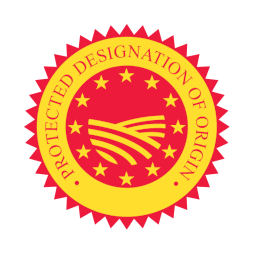
Under its official rules, the oil comes from olives grown and processed in the protected northern Cretan area. At least 90% must be Koroneiki, with Chondrolia making up the remainder.
A PDO label does not mean that every bottle from a region tastes the same—or that everyone will prefer it. Producers, groves and harvest years still create differences. What PDO offers is a clearer way to confirm where a product comes from and how it was made.
Trust
Clear information matters
An oil’s origin becomes meaningful when it can be followed from the bottle back to the producer. A useful label may name the olive variety, growing region, harvest year, producer, estate or batch.
This information does not make an oil better by itself. It helps you understand what you are buying—and shows that someone is willing to stand behind the bottle.
And what about awards?
A respected award can support a producer’s story and show that a particular oil performed well with trained judges. But it cannot tell you whether you will enjoy that oil or whether it suits the food you cook. A medal also belongs to a particular harvest, not automatically to everything a producer will make in the future.
At the shelf
How to read an olive-oil label
Look beyond the words “extra virgin.” See how many of these questions the bottle can answer:
- Where were the olives grown?
- Which olive variety was used?
- Is the harvest year shown?
- Who produced the oil?
- Can it be traced to an estate, cooperative or protected area?
Not every excellent oil will include every detail. But clear information is generally more useful than broad phrases about Mediterranean sunshine or ancient traditions.
Olive oil is not an anonymous cooking fat made to taste exactly the same every year. It begins as fruit growing outdoors, exposed to a particular season. Its final character is shaped by the land, the weather and a series of decisions made by real people.
Knowing its origin does not tell us that one place is better than every other. It helps us understand why oils are different—and gives us a deeper connection to the one we choose.
Origin turns a bottle of olive oil into the story of a place, a harvest and the people who made it.