
Olive oil guide · 5 min read
A simple guide to tasting olive oil
Learn what to notice, what it means and which foods will bring out the oil’s best.
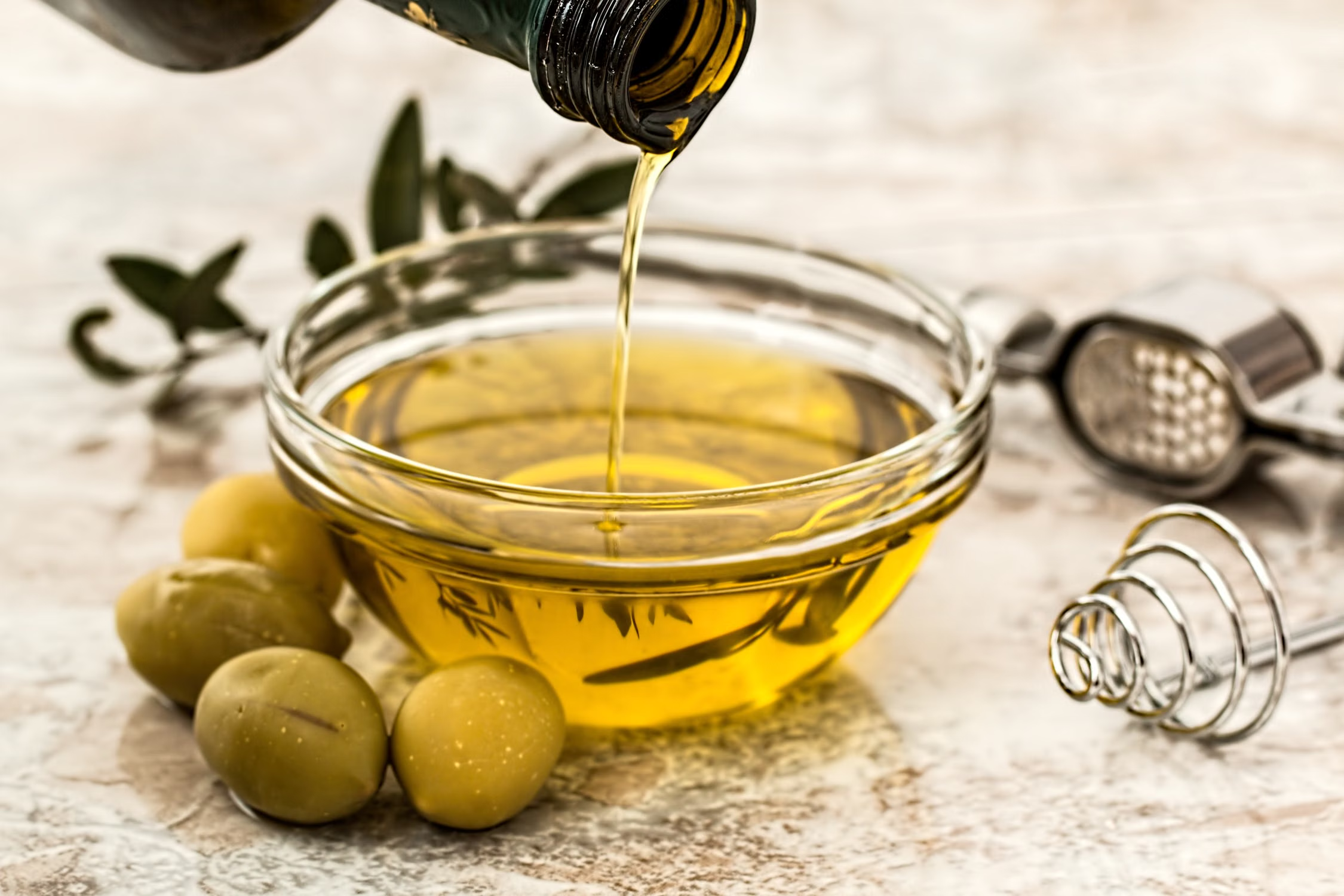
You do not need a trained palate to understand olive oil. You only need a small glass, the warmth of your hand and a little attention.
The aim is not to find impressive words or give the oil a score. It is to notice what is there—and learn which qualities you enjoy.
Begin
Warm the glass
Pour roughly one tablespoon of oil into a small, clean glass. A sake cup, espresso cup or stemless wine glass works well. Cover the top with your palm and hold the base in your other hand for about a minute.
A little warmth helps the aromas rise from the oil. There is no need for a thermometer; the warmth of your hand is enough.
Try not to taste immediately after coffee, strongly flavoured food or chewing gum. Fragrance can distract you too. If you have several oils, begin with the mildest and work toward the strongest.
Smell
Trust the first impression
Gently turn the covered glass so the oil coats the inside. Uncover it, bring it close to your nose and take two or three slow breaths.
What does it remind you of?
You might notice cut grass, tomato leaf, herbs, artichoke, apple, citrus peel, almond or ripe fruit. These are not added flavours. They are the natural character of the olives, shaped by variety, place, ripeness and harvest.
The broad word for these aromas is fruitiness. It may feel green and leafy or softer and riper. Neither style is automatically better; they simply tell different stories.
And ignore the colour. Deep green does not necessarily mean fresher or better. Professional tasters even use coloured glasses so appearance cannot influence their judgement.
Taste
Notice three things
Take a small sip and let the oil move slowly across your tongue. Draw in a little air through parted lips. It may feel unusual, but it helps aromas travel from your mouth to your nose.
Fruitiness
The fresh aroma and flavour of the olive: grassy, herbal, floral, ripe or somewhere between.
Bitterness
A pleasant edge on the tongue, often more noticeable in oils made with greener olives.
Pungency
The peppery feeling in the mouth or throat. A lively oil may even make you cough once.
Bitterness and pungency are not flaws. Both are recognized positive qualities in extra virgin olive oil. They may be subtle or pronounced; what matters is how they work with the aroma.
Decide
Look for harmony, not power
A bold oil is not automatically better than a delicate one. A good oil feels coherent: its aroma, bitterness and peppery finish belong together.
- Does the aroma feel clear and fresh?
- Does the flavour grow as you taste it?
- Do the bitterness and pepper arrive naturally?
- Does the finish stay clean?
You do not need a long list of tasting notes. “Fresh, green and peppery” already tells you something useful.
What does tired oil taste like?
Oxidized oil may remind you of stale nuts, wax or old crayons. Musty oil can suggest a damp cupboard or wet earth. Heavy, fermented flavours may come from olives stored poorly before milling. These are recognized defects, not simply personal preferences.
Pair
Now taste it with food
On its own, the oil shows you its character. With food, it shows you its purpose.
Delicate and ripeSashimi, tofu, steamed white fish, rice and mild vegetables.
Fresh and greenTomatoes, leafy vegetables, soba, grilled fish and citrus dressings.
Robust and pepperyGrilled meat, beans, mushrooms, aged cheese and warm bread.
Fruit-forwardYogurt, citrus, vanilla ice cream or dark chocolate.
These are starting points, not rules. The best experiment is simple: try the same food with two different oils and notice how the dish changes.
Keep it simple
Your five-line tasting note
- The first aroma you notice
- Green, ripe or somewhere between
- How bitter it feels
- How peppery it feels
- One food you want to try with it
If you are tasting several oils, a small piece of apple and room-temperature water will refresh your palate between samples.
A good tasting does not end with a score. It ends with an idea for the next meal.